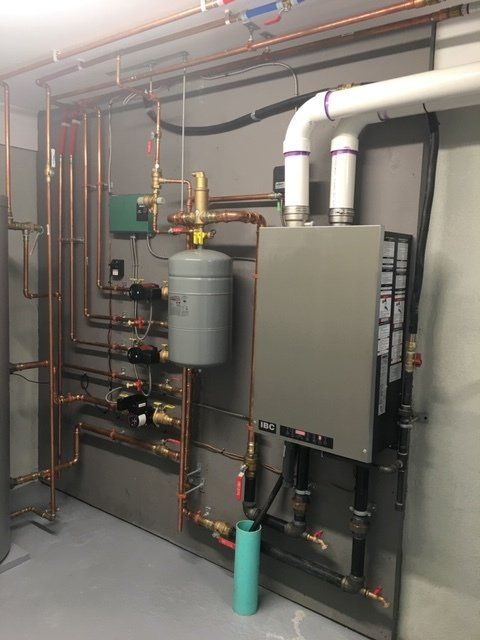
How To Prepare for an HVAC Installation
Preparing for an HVAC installation involves several key steps, such as evaluating ductwork and planning equipment placement. These preparations help make sure the system performs properly once installed. Homeowners can also take a few simple actions before installation day to help the process go smoothly. At C&C Service, we handle the necessary preparations to verify our technicians have the ideal conditions for a safe and efficient installation. Here’s how to prepare for an HVAC installation:
1. Evaluate the Current System
An HVAC installation begins with evaluating the existing system, and this assessment helps you determine what upgrades or changes may be required. This includes noting issues such as poor airflow, uneven temperatures, or frequent service calls. When these problems persist, replacement is often the ideal solution because it addresses underlying malfunctions and recurring filter or airflow issues.
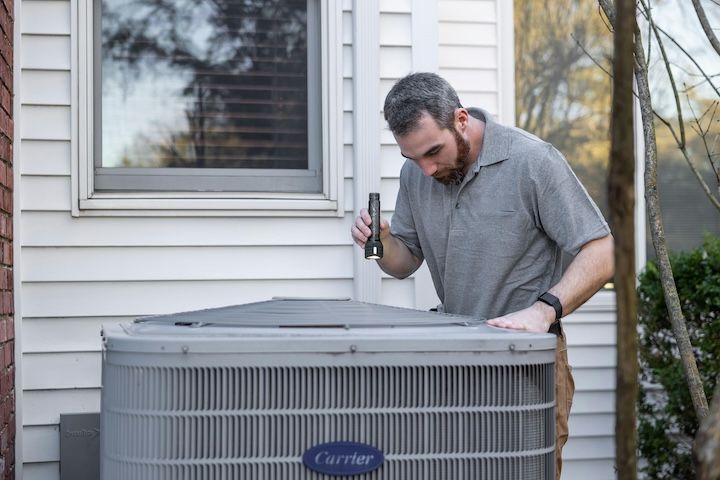
A technician may examine your ductwork to make sure it supports the output of the new system. They offer repair options, like adjustments if the airflow is uneven or restricted. Older homes sometimes have undersized ductwork, which can limit the performance of more efficient HVAC units. A pre-installation evaluation becomes key for matching capacity with household demands. If the technician identifies leaks or damage, repairs can be completed before installation begins.
If your current system still runs, evaluating efficiency ratings and performance trends provides useful guidance. This offers insight into installation goals and makes sure that the new unit aligns with your needs. At C&C Service, our team helps review household usage patterns, energy preferences, and long-term expectations, and these details help determine the best equipment for your home.
2. Prepare the Installation Area
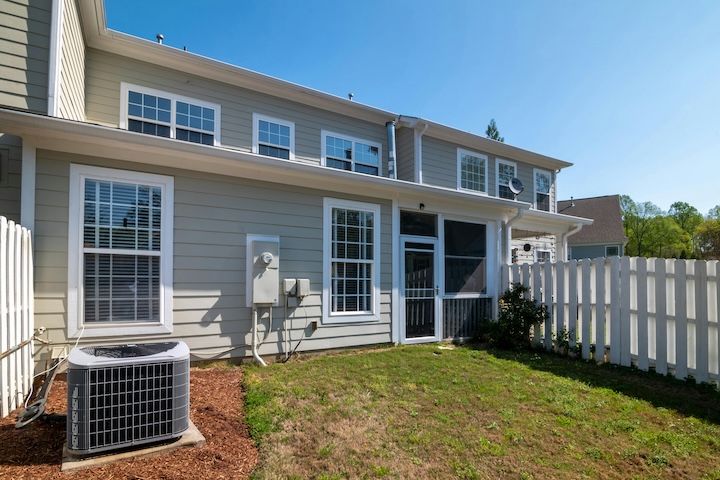
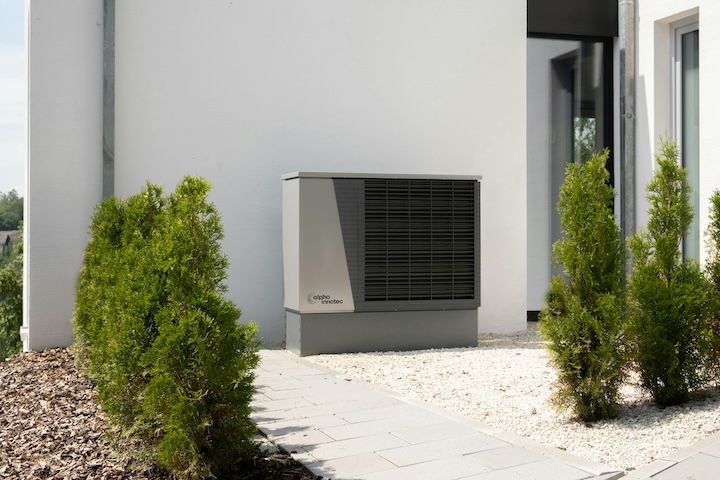
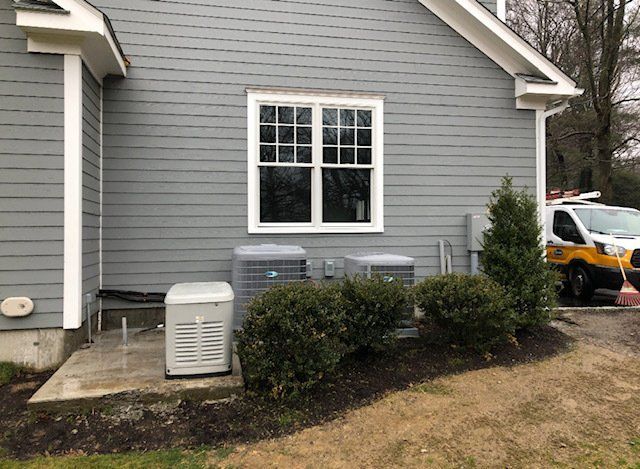
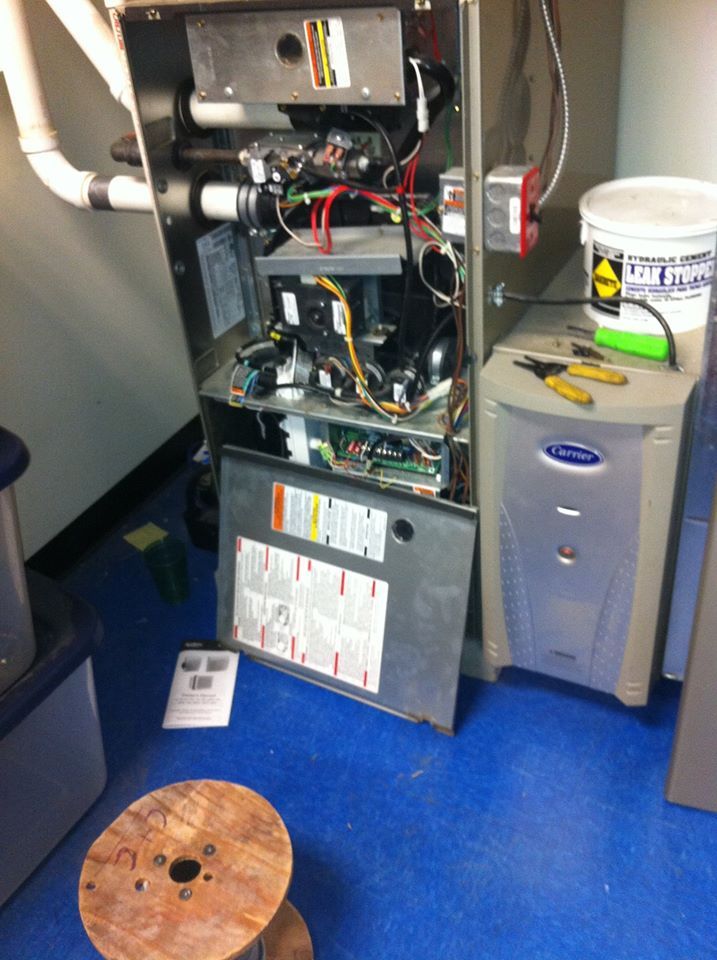
Clearing space for the installers allows the crew to move equipment with ease. Boxes, yard tools, or stored items should be removed from the indoor furnace area and the outdoor condenser location. A clean and open workspace enables the installation team to complete their tasks efficiently. Outdoor units require adequate clearance to allow for proper airflow, and homeowners can support this requirement by trimming shrubs or removing leaves around the space. Installers need a clear, open area to position the unit properly and make adjustments during installation. Clearing any debris beforehand helps prevent delays once the work begins.
If installers must navigate tight hallways or staircases, planning the route in advance helps prevent disruptions. Vent areas should be accessible for any adjustments the technician may need to complete. A clean environment helps protect tools and components, which supports a more effective installation outcome.
3. Review the Home’s Electrical System
Certain HVAC systems rely on adequate electrical support, and some homes may need minor upgrades to accommodate modern equipment. A technician reviews your breaker panel to confirm that it matches the new system’s requirements, and they offer options by adding a dedicated circuit if the current setup is outdated. If these changes are necessary, completing them ahead of installation helps prevent delays. The installer will assess airflow pathways throughout the home. Older vents may be undersized or partially blocked, and addressing these limitations improves efficiency.
4. Understand the System’s Operation
Knowing how to operate the equipment correctly helps with long-term efficiency, and homeowners can prepare by learning basic system functions. Many technicians provide a walkthrough on installation day to explain thermostat settings, filter changes, and performance indicators. Becoming familiar with these elements allows you to monitor your system more effectively during the first few weeks.
Some homes benefit from programmable thermostats. These tools give homeowners more control over temperature settings throughout the day. Understanding how to adjust schedules prevents unnecessary equipment strain, and it also helps maintain consistent comfort. Seasonal maintenance appointments allow technicians to check refrigerant levels and inspect components. When homeowners understand the maintenance plan in advance, they can better anticipate the system’s needs throughout the year.
Obtain HVAC Installation Services
Preparing for HVAC installation involves evaluating your current setup, clearing workspace areas, addressing electrical issues, and learning how to operate your new system. Each step helps the technician complete the installation efficiently and makes sure that the equipment works according to design specifications. With proper preparation and follow-up support, homeowners have an effective and reliable HVAC system from the moment it is installed. Call our team at C&C Service to learn more about our home installation process.