Understanding the Role of Regular HVAC System Inspections
Maintaining your home's indoor comfort requires consistent care for your HVAC system, and regular professional inspections help it work reliably year-round. Inspections are a preventive measure that guards your system against unexpected failure, minimizing downtime during peak seasons and allowing you to maintain consistent temperatures inside your home. At C & C Service, we specialize in comprehensive heating and cooling inspections. Here is the role of regular HVAC inspections in keeping your system running smoothly:
Preventing System Failures
Scheduling routine maintenance offers long-term benefits to your HVAC unit. When systems are cleaned and inspected regularly, they operate more efficiently. This attention reduces unnecessary energy use and keeps your home temperatures comfortable. Early professional care also helps prevent minor issues from developing into major system failures.
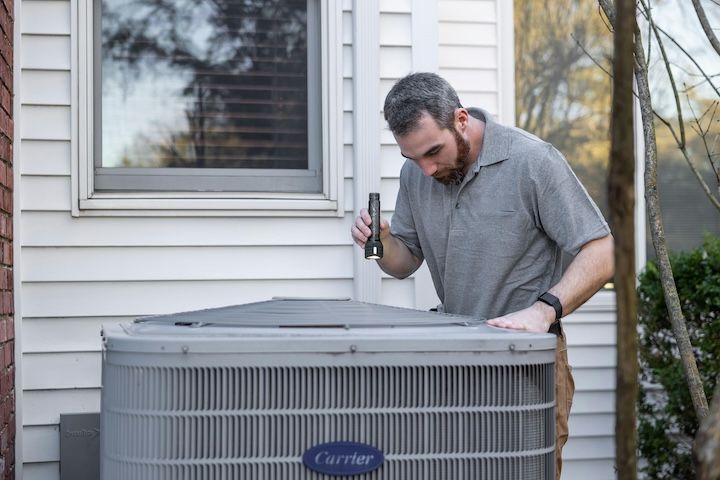
During a scheduled inspection, a qualified technician will identify and address any potential issues. This proactive work safeguards against complete system failures. They will check the system for a loss of refrigerant, which could indicate a leak, and inspect components such as the compressor for any signs of damage or strain. Regular care protects your system's longevity, making sure your unit runs reliably for its maximum lifespan.
Maintaining Indoor Air Quality
Routine maintenance helps maintain steady airflow and keeps the temperature consistent throughout the home. This leads to a healthier indoor air environment. Clean filters and components prevent dust, allergens, and microscopic particles from circulating inside your home. At C & C Service, we install specialized air cleaners and ultraviolet lights directly into your ductwork, which actively neutralize airborne pathogens and particles. A service technician will perform several key checks to optimize your unit's performance and improve your air quality:
- Air Filter Assessment: Dust, dirt, or debris may clog your air filter, and this restricts proper airflow. It also increases the concentration of indoor pollutants. Technicians inspect the air filter's condition and clean or replace it as needed to maintain optimal air quality.
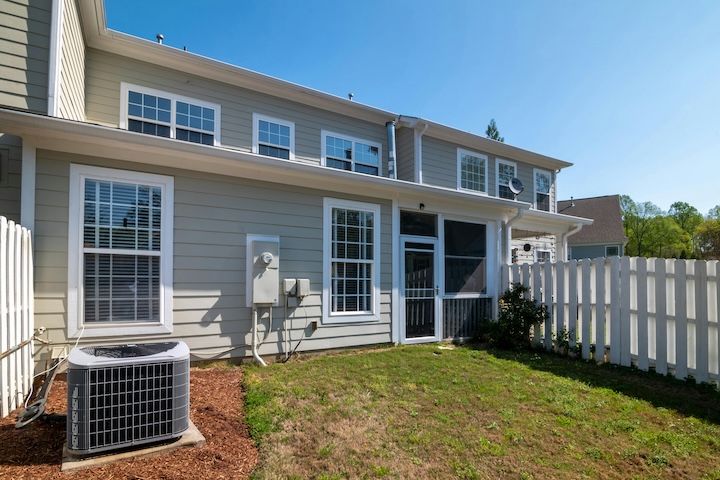
- Condenser Coil Cleaning: Dust and debris accumulate on your system's coils and fans, and this reduces efficiency, potentially allowing mildew and mold to grow and contaminate the air. Technicians wipe down the condenser coil and use specialized tools to clean out any buildup. This allows the unit to work as efficiently as possible.
- Refrigerant Level Check: An imbalance in refrigerant levels often leads to strain on the cooling system, and this causes inconsistent cooling or compressor failure. Technicians check refrigerant levels, seal any leaks discovered, and top off the refrigerant, which reduces strain and extends the unit's lifespan.
- Electrical Connection and Component Inspection: Loose electrical connections impede the unit's energy flow, and these create safety hazards. Technicians verify that all connections are secure, preventing potential electrical issues, and they thoroughly check all parts to identify wear, repairing or replacing components before they cause a system breakdown.
Monitoring Unit Calibration
Regular system inspections make sure your unit remains calibrated, preventing performance drops. System components naturally drift out of alignment over time, and this compromises overall system efficiency. A technician will use specialized tools to inspect the proper functioning of the thermostat and ensure it accurately reads and controls the temperature.
They also perform a system performance test to measure the temperature differential. This step verifies the unit is heating or cooling properly. Technicians measure the electrical current and voltage draw of the motors, which prevents excessive energy consumption and potential damage from electrical spikes. This process fine-tunes the unit's operational parameters, enabling your system to run as intended. Technicians also perform additional calibration checks:
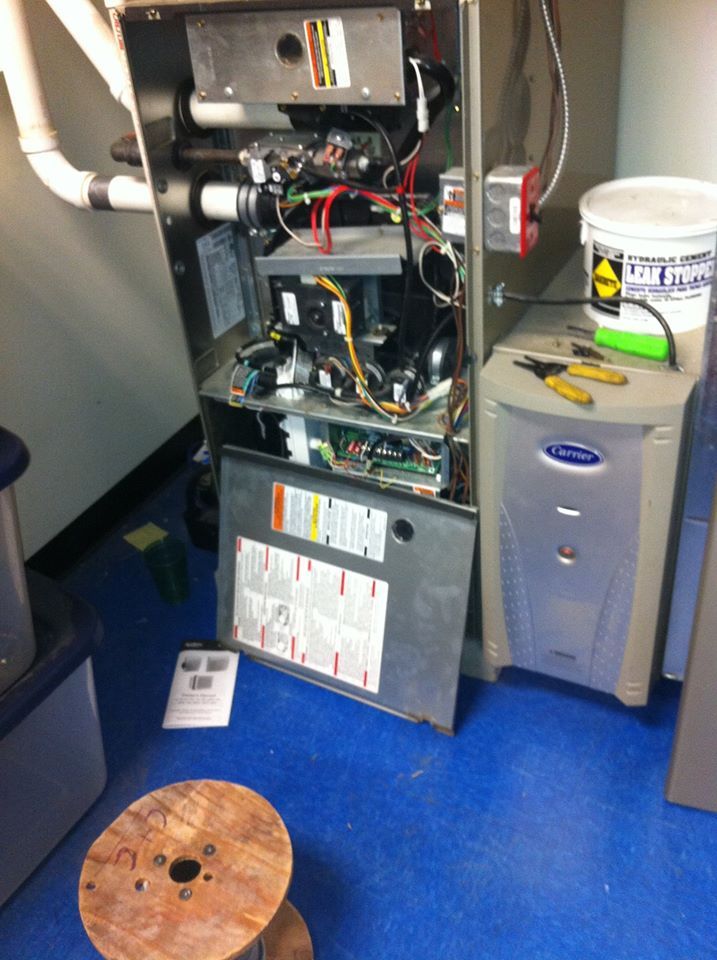
- Checking Burner Combustion: For heating systems, the technician tests the combustion process. This allows them to verify that the burner uses fuel efficiently without producing excessive carbon monoxide.
- Adjusting Blower Fan Speed: The blower fan speed is often checked and adjusted, and this verifies that the correct volume of air moves through the ductwork.
- Inspecting Ductwork Seals: They check duct connections for air leaks, and they seal any gaps to prevent conditioned air loss in unheated spaces.
- Testing Motor Capacitors: The capacitors that start the motors are measured for proper voltage.
Schedule HVAC Maintenance Today
Regular HVAC maintenance helps protect your heating and cooling system, making sure it runs smoothly. Detailed inspections identify electrical hazards and prevent gas leaks, which keep your property protected. At C & C Service, our technicians identify and treat underlying issues, which restores comfort to your property. Contact C & C Service today to schedule a comprehensive inspection and keep your system calibrated for longevity.